

A fairly early start again as we headed on our way to Walvis bay, our first stop was the little town of Solitaire famous for its isolation and apple pies my driver suggested buying apple pie to eat on route to Walvis bay.
Little happened until around 9 where we sighted a group of mountain zebra by the side of the road much closer than seen before and very unusual for the usually very timid animals.

On leaving the zebra around 10 o’clock we reach moon valley very hilly landscape carved through the Nanib desert by Swakop river, named due to is resemblance to a lunar landscape.
while exploring the area I stumbled upon a zebra’s foot yes a zebra’s foot. My guide thought it possibly may have been dragged there by a jackal.
We found several desert flowers in the surrounding area.
 On arriving at Kuiseb canyon we scrambled around the black malachite and granite rocks. My mum shouted bird of prey and I looked up from what I could see it looked like a vulture. Unfortunately, even after photographing the vulture I wasn’t able to work out its type but I have a hunch it is a leopard faced vulture.
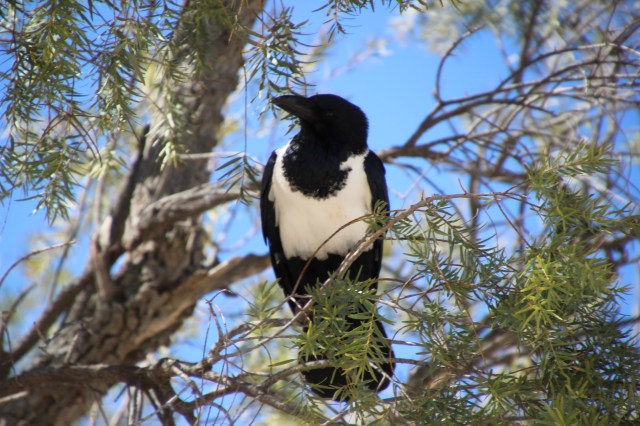
We shortly left the canyon and hit the road our final stop before Walvis bay was Feather rock a huge granite rock sticking up out the Namib desert, while the rest of my family and guide were eating their apple pies by the rock I climbed the rock and walked its length after reaching the end I ventured around the back of the rock and explored the gully’s and bushes around it, on climbing back up the rock I found an unknown animal skull and befriended two pied crows.
Our final stop before our hotel for the night was Walvis bay lagoon home to hundreds of flamingos. Walvis bay is the largest port in the southern part of Africa and is filled with large extravagant houses this area is where people go to make a profit. I was more interested in the wildlife in the bay. As soon as I saw the flamingos I was gob smacked it is being pink pink and more pink, only broken up by the few pelicans and cormorants.
The lagoon is over dates back 5000 years making it the oldest lagoon on the Namibian coast, up to 90% of south Saharan flamingoes winter there.
The lagoon itself is reducing in size due to housing and road dikes, these are flood reduction measures but have caused the reduction of the lagoons maintained water level.
Our hotel or the night was the beach hotel in Swakopmund a German style tourist town by the sea.
 Zoological Adventures featuring Tom Everley