
Day 3: LILA – Loxahatchee

Temp: 24°c

Today we journeyed to the Loxahatchee reserve where an experiment is in constant effect, this is LILA: Loxahatchee Impoundment Landscape Assessment.

LILA is a system of four identical scaled down pools that emulate the Everglades ecosystem, these pools can have their water levels altered to any required level.

The natural hydrology of Florida is unknown as no records exist before human colonisation.

The hydrology of the Everglades is always uncertain.

The role of LILA is to attempt to correct the hydrologic condition of the Everglades. LILA can independently manage the water level and timing of higher or lower water levels to test the restoration of the area. The key parts this manages is the quantity of water, the time that water is in drought or flood and the sections of the bodies of water these occur.

Before the destruction of the Everglades the area was home to approximately 100’s of thousands of nests this number has dropped to at least 20-30 thousand.

A tree is a biodiversity hotspot. The Everglades has lost 90% of its tree islands since the effect of man altering the flow of water.

The LILA reserve has a record of 7000 trees they can find out the life data for. Half of these have been killed as a result of the tests although this is good as it can show the effects of changing water conditions.

Additional observations: on route to the Loxahatchee Sam Whittaker and I went exploring and stumbled along a deceased White Pelican its head had been picked clean of skin and flesh whereas its body was still covered in white feathers our initial theory that it was attacked by an American Alligator shortly after catching its lunch; there was a fish found less than a metre away.

The absence of the body being eaten might suggest otherwise unless the alligator just fancied a nice flabby bill snack.

My other theory is that the White Pelican just died of an unknown cause and since then the corpse has been scavenged by raptors such as Black and Turkey Vultures, there was an American Kestrel perched nearby although the size of the kestrel makes scavenging the pelican unlikely.


Animals:

We saw various species of animals on the Loxahatchee reserve many of which were birds highlights were the baby Screech Owls in the nests above the swamp the super-fast Black Racer, a huge terrapin or (turtle) as they say over here, a Purple Gallinule and a tiny green tree frog I’ve yet to identify. We also observed several Bald Eagles which are astoundingly more common than expected.


Day 2: Kennedy Space Center and Merritt Island Federal Reserve

Temp: 19°c

Waking up at 6am this morning ‘fun’! After getting dressed, I went to explore and re found the wasp nest site, the wasps were paper wasps which was really cool to see.

IMG_7936
Paper Wasp

The moon was still up at half past seven, crystal clear with the craters visible to the naked eye.

Just before setting off we saw a Mourning Dove on the power lines it looked fairly similar to the native collard doves found in the UK.

At 8am we set off towards Merritt Island Federal Reserve which is right next to the NASA launch site. The journey took approximately an hour we saw various bird species and several dead animals on the side of the road including a Raccoon and possibly a Porcupine which is unusual to see.

The birds we saw were Great Egrets, White Ibis, Wild Turkeys and Pelicans. Loads more species were seen over the whole journey from a to b. Close to the arrival to the reserve we saw a large group of Ospreys fly over the road flying low then moving higher into the thermals above the water.

After arriving at the reserve we were given a talk by the rangers, we were informed that NASA bought the whole area back in the 60’s. After a few years they realised the whole area was too big and didn’t require as much space so handed over management to the US Fish and Wildlife Service. The main role of the Service is to maintain the welfare of the migratory bird and the native waterfowl species. There are 93 endangered species present in the reserve this includes the Florida Scrub Jay and several sea turtles.

The methods of managing the area is by regulating the water levels using dikes. This aids the water fowl by retaining the optimum conditions for them to thrive. Florida is the lightning capital of the world this benefits the vegetation levels with natural fires occurring. Due to human intervention this had been altered and managed fires are produced on the reserve to emulate this. The main invasive species effecting the reserve and is almost impossible to eradicate is the Brazilian Key Pepper which does not benefit any form of wildlife.

The down side to the reserve is that at any point NASA can reclaim any of the land they desire ‘Space Comes First’. NASA chose to purchase the area for its proximity to the ocean and large flat area this allows any space debris to fall in unpopulated areas.

The space launches generally effect the birds, as they can often build their nests on the launch pads or vultures perch on the shuttle. Although there has been an instance when a bat has ended up being launched into space!

After the talk we were accompanied by guides around the rest of the reserve going to various sites that were ideal for finding specific species, these included Scrub Jays, Rattle Snakes, Manatees and Bald Eagles, all of which we saw.

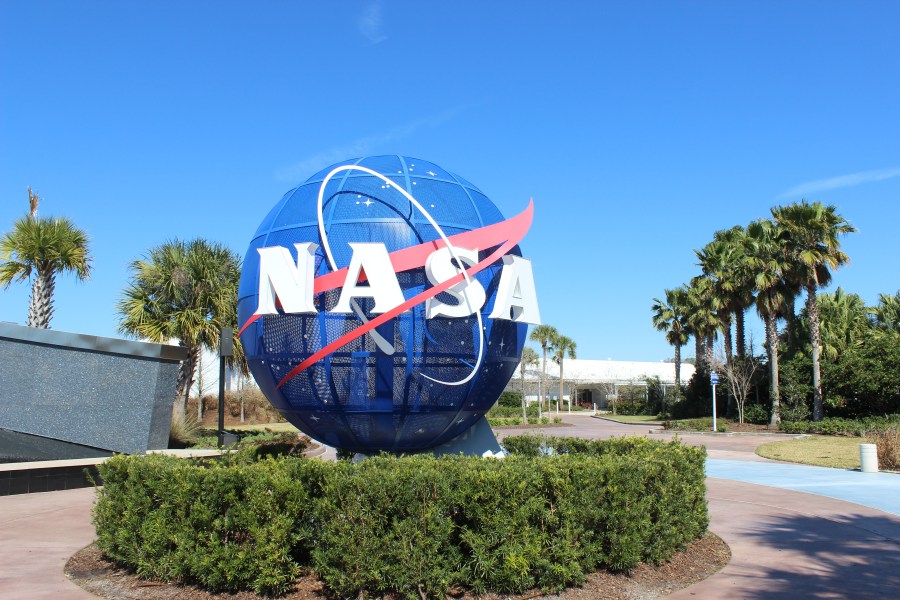
Part of today’s trip was going around Kennedy Space Center itself, this was phenomenal learning about the space exploration. The funny part was that we spent more time looking at the wildlife than the Space exhibits.

Here are a few of the interesting space sights and a video of Falcon 9 that launched a few days later.

IMG_8255.JPG

IMG_8223.JPG

Day 1: Arrival

Temp: Orlando 18°c

We landed after a 9 hour flight which wasn’t too bad. Plenty to see out the window going down the east coast.
After arriving at the hotel, exploration ensued several geckos were identified this could possibly be the Mediterranean invasive species or the native house gecko of Florida. More research and observations will be required.
Also, several wasp nests were spotted on the roof of the hotel.

To Florida

In two days from now myself and several other students from the university of Bangor will be heading overseas to the United States to go to the Florida to study the Wetland environments what lives there and why.

While we are there we will participate in various activities several of which will involve getting wet.

Academics Attending:

  • Chris Freeman
  • Christian Dunn
  • Tim Jones


image