
Temp: 19°c
Waking up at 6am this morning ‘fun’! After getting dressed, I went to explore and re found the wasp nest site, the wasps were paper wasps which was really cool to see.

The moon was still up at half past seven, crystal clear with the craters visible to the naked eye.
Just before setting off we saw a Mourning Dove on the power lines it looked fairly similar to the native collard doves found in the UK.
At 8am we set off towards Merritt Island Federal Reserve which is right next to the NASA launch site. The journey took approximately an hour we saw various bird species and several dead animals on the side of the road including a Raccoon and possibly a Porcupine which is unusual to see.
The birds we saw were Great Egrets, White Ibis, Wild Turkeys and Pelicans. Loads more species were seen over the whole journey from a to b. Close to the arrival to the reserve we saw a large group of Ospreys fly over the road flying low then moving higher into the thermals above the water.
After arriving at the reserve we were given a talk by the rangers, we were informed that NASA bought the whole area back in the 60’s. After a few years they realised the whole area was too big and didn’t require as much space so handed over management to the US Fish and Wildlife Service. The main role of the Service is to maintain the welfare of the migratory bird and the native waterfowl species. There are 93 endangered species present in the reserve this includes the Florida Scrub Jay and several sea turtles.
The methods of managing the area is by regulating the water levels using dikes. This aids the water fowl by retaining the optimum conditions for them to thrive. Florida is the lightning capital of the world this benefits the vegetation levels with natural fires occurring. Due to human intervention this had been altered and managed fires are produced on the reserve to emulate this. The main invasive species effecting the reserve and is almost impossible to eradicate is the Brazilian Key Pepper which does not benefit any form of wildlife.
The down side to the reserve is that at any point NASA can reclaim any of the land they desire ‘Space Comes First’. NASA chose to purchase the area for its proximity to the ocean and large flat area this allows any space debris to fall in unpopulated areas.
The space launches generally effect the birds, as they can often build their nests on the launch pads or vultures perch on the shuttle. Although there has been an instance when a bat has ended up being launched into space!
After the talk we were accompanied by guides around the rest of the reserve going to various sites that were ideal for finding specific species, these included Scrub Jays, Rattle Snakes, Manatees and Bald Eagles, all of which we saw.
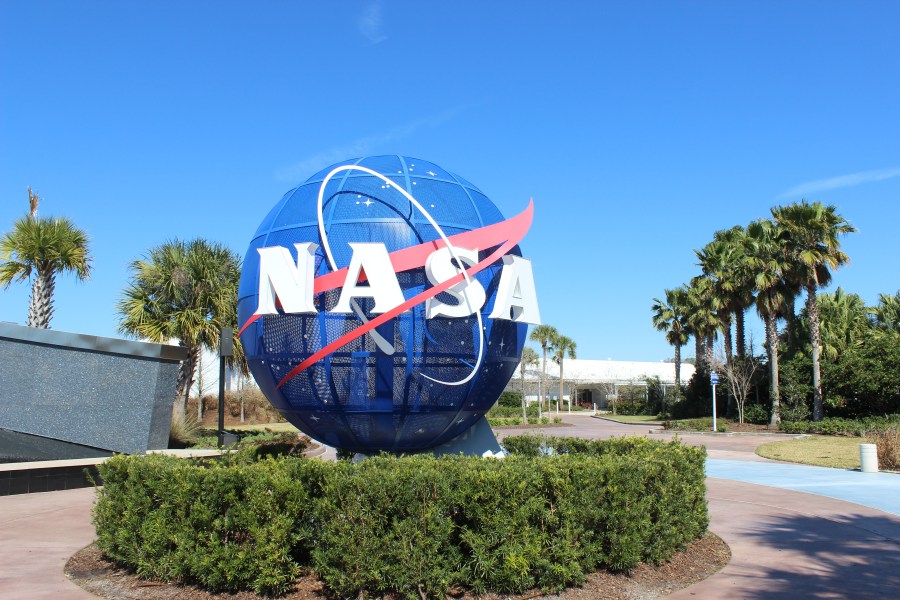
Part of today’s trip was going around Kennedy Space Center itself, this was phenomenal learning about the space exploration. The funny part was that we spent more time looking at the wildlife than the Space exhibits.
Here are a few of the interesting space sights and a video of Falcon 9 that launched a few days later.


 Zoological Adventures featuring Tom Everley
Wow … What a time your are having
Somewhat envious of your fab descriptions
Auntie Sarah x
LikeLiked by 1 person
Very interesting to learn there is a Nature Reserve next to The Kennedy Space Center. I am surprised I never new this despite being born in the USA. Tom, you have inspired me to go visit it.
LikeLiked by 1 person
A lot to see in just one day – and certainly more wildlife than most of us would realise were in such close proximity to the Space Center! I wonder how long it takes the birds and other wildlife to recover from the effects of each rocket launch?
LikeLike
Apparently the birds have become accustomed to the launches so little to no effect on them.
LikeLike